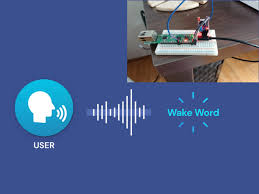

The Importance of Wake Word Detection in Voice Technology
Wake word detection is a cornerstone of modern voice technology, enabling hands-free interaction with smart devices and voice assistants. A wake word is a predefined word or phrase that signals a device to become active and ready to receive user commands. This simple yet essential feature bridges the gap between humans and machines, creating a seamless and intuitive user experience.
One of the primary reasons wake word detection is crucial is its role in accessibility. For individuals with mobility limitations or physical disabilities, the ability to control devices through voice commands alone can significantly improve daily life. Wake words allow users to perform a wide range of tasks—such as controlling smart home systems, making calls, setting reminders, or accessing information—without needing to interact physically with a device. This convenience also extends to everyday scenarios where hands are occupied, such as cooking or driving.
Accuracy is a critical factor in wake word detection. Devices must reliably recognize the wake word while filtering out background noise, overlapping conversations, and similar-sounding words. Advanced machine learning algorithms and neural networks are employed to continuously monitor audio input with minimal latency and low power consumption. These systems are trained on diverse datasets to account for variations in accents, speech patterns, and environmental conditions, ensuring consistent performance in real-world scenarios.
Privacy is another significant aspect of wake word detection. Modern devices often process wake word recognition locally rather than continuously streaming audio to the cloud. This approach ensures that only audio following the detection of the wake word is analyzed and transmitted, safeguarding user information and enhancing trust in voice-activated systems.
Efficiency is equally important. Continuous listening for wake words can strain device resources if not optimized properly. Lightweight detection models and edge computing strategies enable devices to monitor audio input effectively without compromising performance or battery life. Additionally, personalized wake word recognition can adapt to an individual’s voice over time, further reducing false activations and enhancing responsiveness.
In summary, wake word detection is more than a technical feature—it is the foundation of effective, intuitive, and secure voice interactions. By combining accuracy, efficiency, privacy, and accessibility, wake word technology allows users to interact with devices naturally and effortlessly. As voice technology continues to evolve, the role of reliable wake word detection will remain central, shaping the way humans communicate with intelligent systems in everyday life.