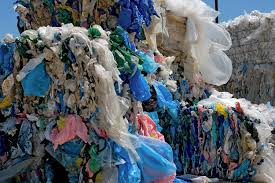

HDPE Recycling Market: Opportunities and Challenges
What is HDPE and why is its recycling important?
High-Density Polyethylene (HDPE) is a widely used plastic found in products such as bottles, containers, pipes, and packaging materials. Due to its durability and versatility, HDPE contributes significantly to global plastic consumption. Recycle HDPE reduces environmental pollution, lowers carbon footprint, and helps conserve natural resources, making it a key focus area in the circular economy.
What is the current market size and growth trend of HDPE recycling?
The global HDPE recycling market has witnessed steady growth over the past few years. Recent estimates indicate the market could surpass USD 15 billion by 2028, with a compound annual growth rate (CAGR) of around 5-6%. Growth is driven by increasing awareness of plastic waste management, government regulations promoting recycling, and rising demand for recycled HDPE in industries such as packaging, construction, and automotive.
What are the primary opportunities in the HDPE recycling sector?
Industrial Demand for Recycled HDPE: Manufacturers are increasingly substituting virgin HDPE with recycled material to reduce costs and meet sustainability targets.
Technological Advancements: Innovations in washing, sorting, and extrusion processes have improved the quality and usability of recycled HDPE.
Circular Economy Initiatives: Government incentives and sustainability mandates are encouraging companies to invest in HDPE recycling facilities.
Global Plastic Waste Challenges: With millions of tons of plastic waste generated annually, there is a growing need for effective HDPE recycling solutions, particularly in emerging markets.
What challenges are affecting the HDPE recycling market?
Despite promising growth, several challenges persist:
Contamination Issues: HDPE waste is often mixed with other plastics, reducing recycling efficiency.
High Processing Costs: Advanced recycling technologies require significant investment, which can limit market expansion.
Market Price Volatility: Fluctuating prices of virgin HDPE can impact the demand for recycled HDPE.
Limited Public Awareness: Inefficient collection systems and lack of consumer participation hinder recycling rates in many regions.
What strategies can boost HDPE recycling adoption?
To overcome challenges, companies and policymakers are focusing on enhanced waste segregation, adopting advanced recycling technologies, establishing partnerships with waste management firms, and creating awareness campaigns. Furthermore, regulatory frameworks encouraging extended producer responsibility (EPR) are expected to drive market growth.
Conclusion
The HDPE recycling market presents significant opportunities for sustainable growth. With technological innovation, regulatory support, and rising industrial demand, recycled HDPE is poised to become a critical component of the global plastics economy. Addressing contamination, cost, and awareness challenges will be key to unlocking its full potential.